

Attractions and things to do in Dubai




Most Popular Activities in Dubai
Best things to do in Dubai

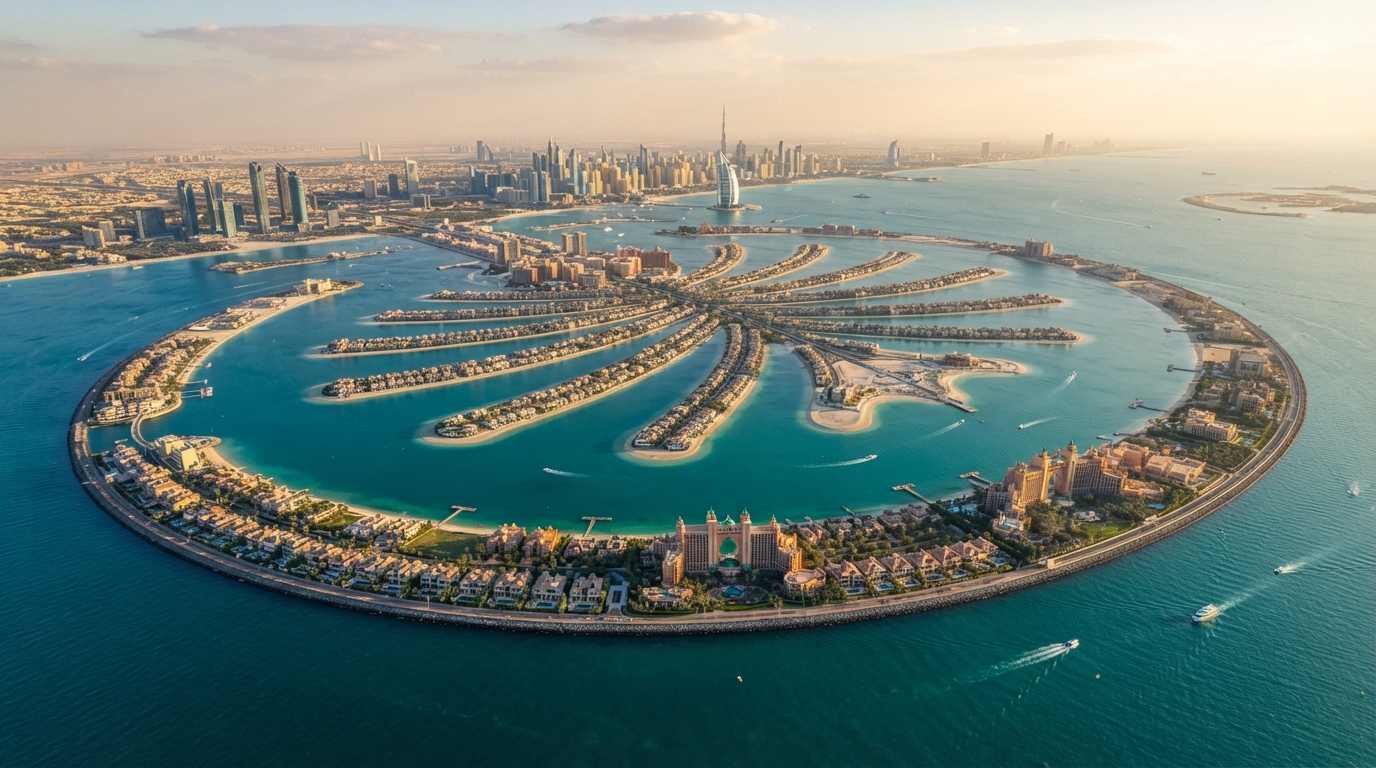
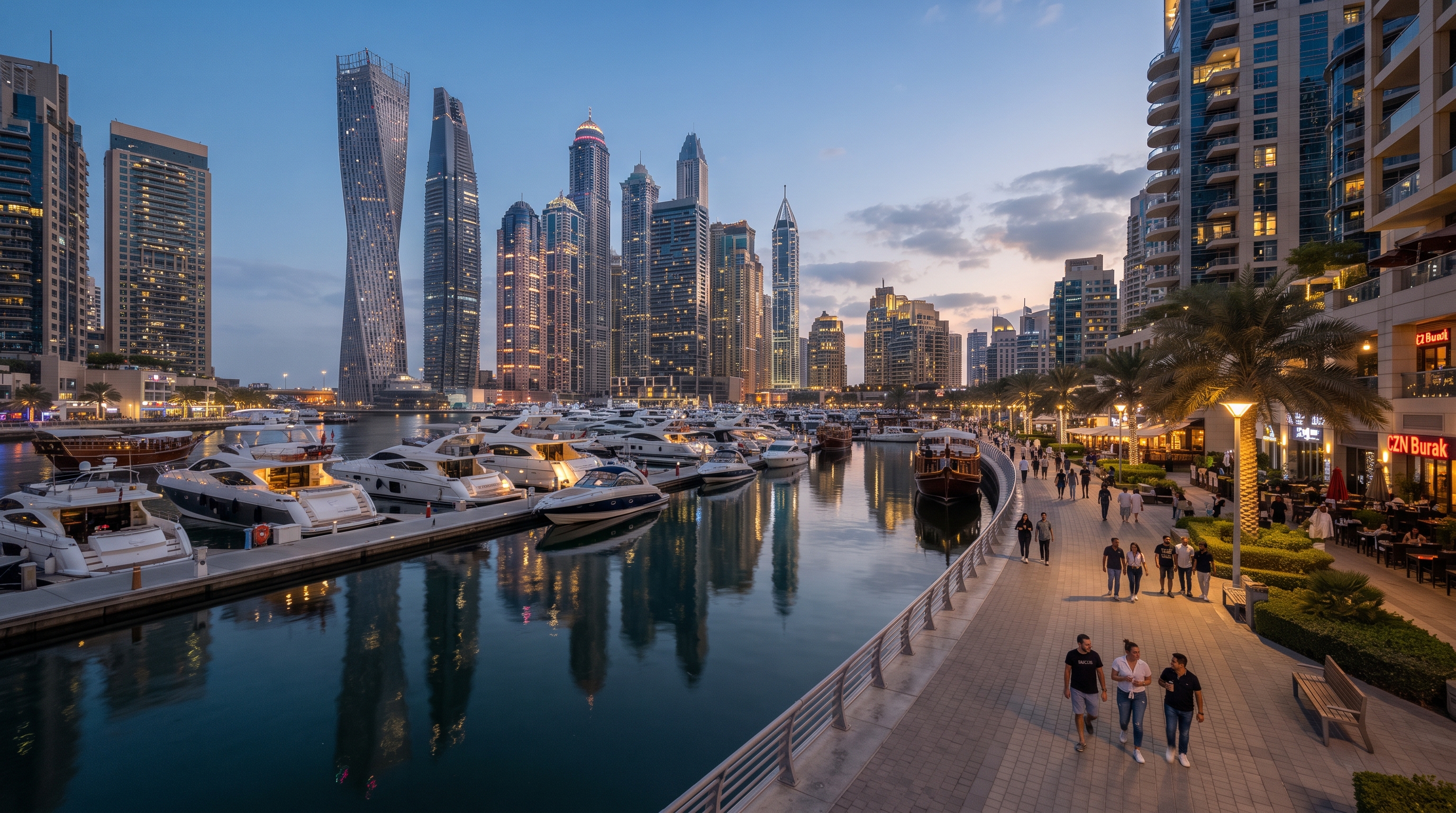
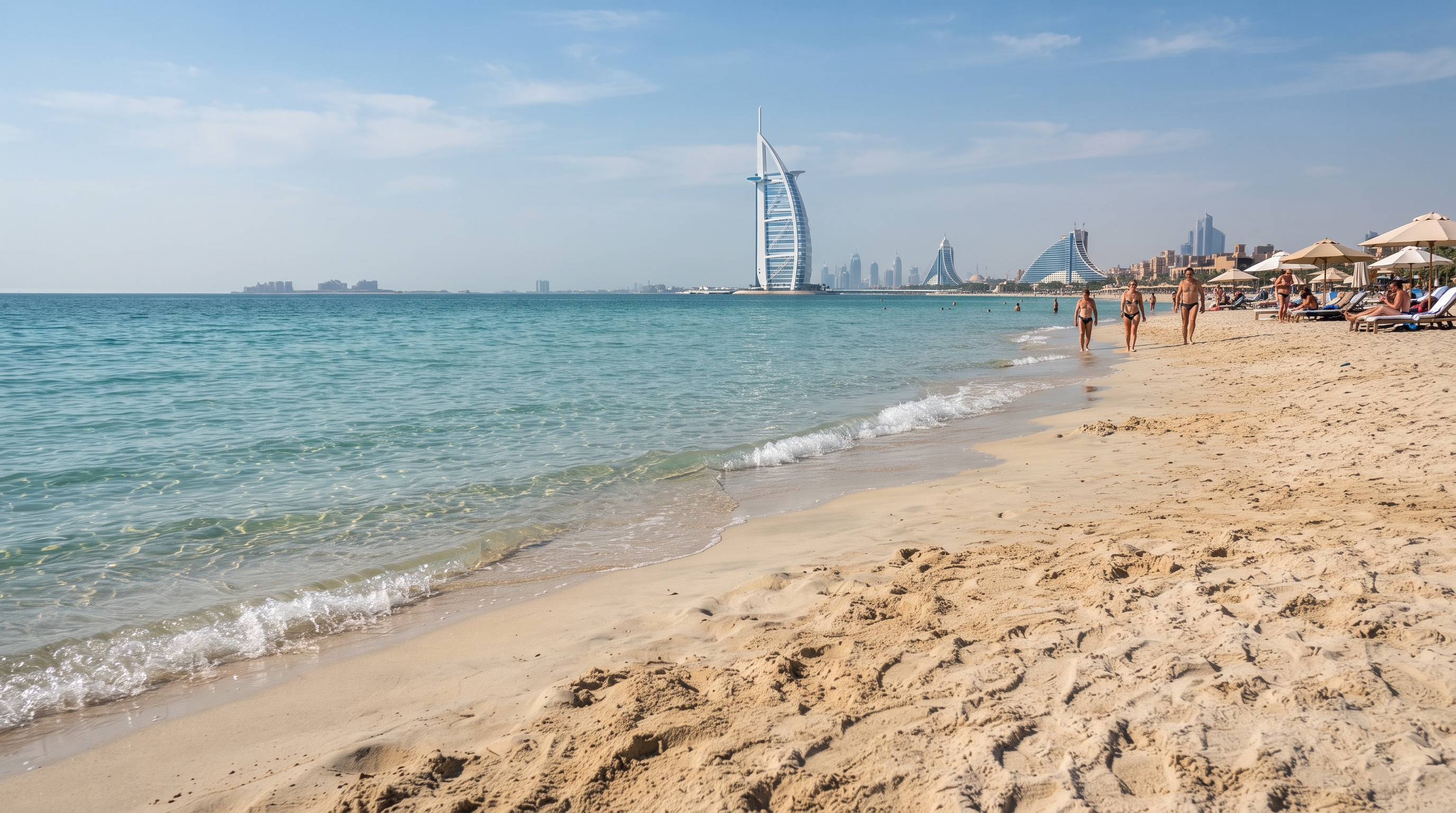
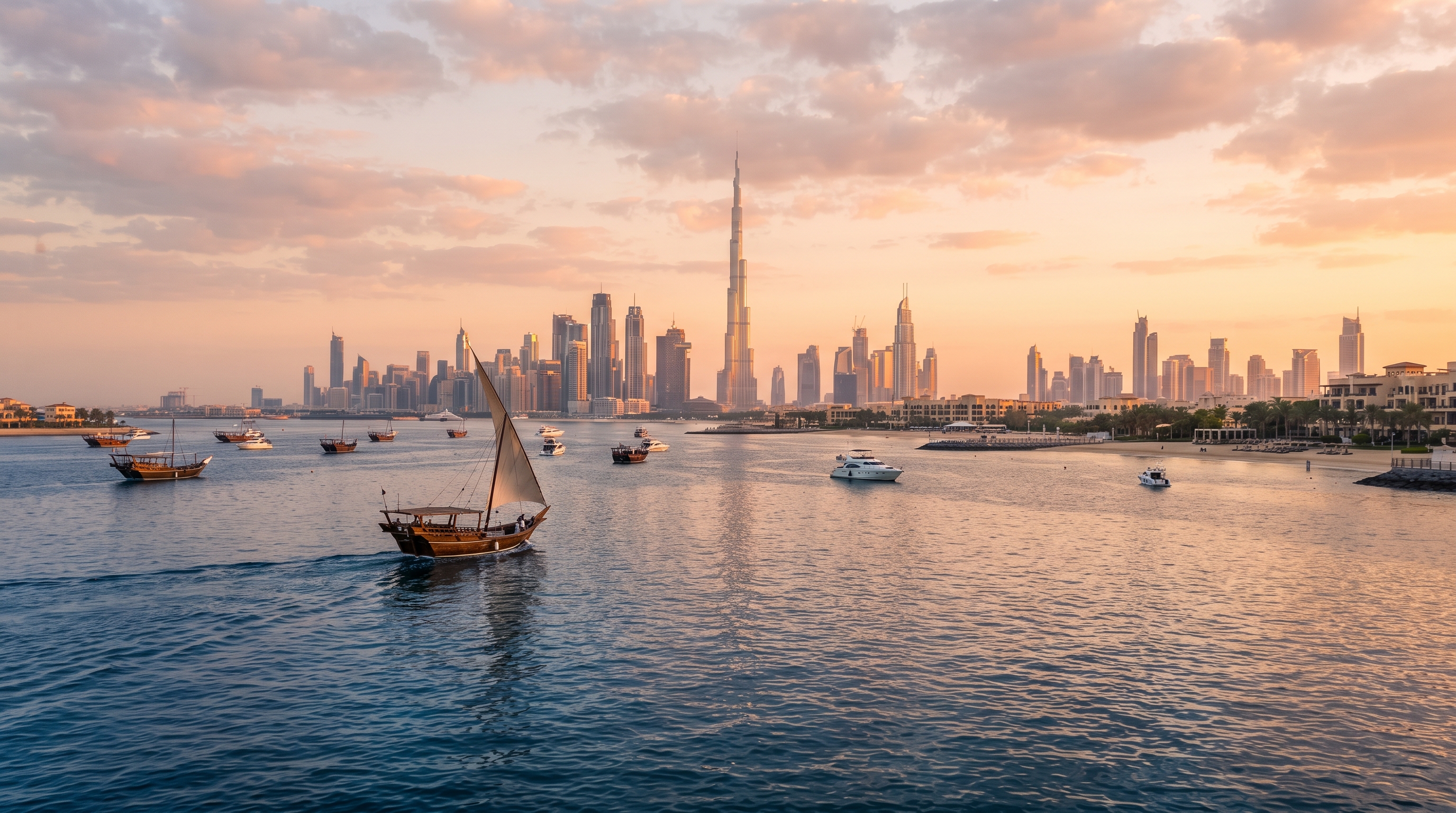
Dubai, an incredible experience
Fun things to do in Dubai
Looking for fun things to do in Dubai? The city is filled with exciting experiences for every traveler. Start with a desert safari for dune bashing and camel rides, or visit iconic landmarks like Burj Khalifa and Dubai Marina. For family-friendly fun, explore Dubai Mall with its aquarium and ice rink, or try Ski Dubai for indoor snow adventures. Nightlife lovers will enjoy rooftop bars and luxury yacht cruises. From thrilling waterparks to cultural attractions in Old Dubai, there are endless fun activities to enjoy. Dubai truly combines adventure, relaxation, and entertainment for unforgettable memories.

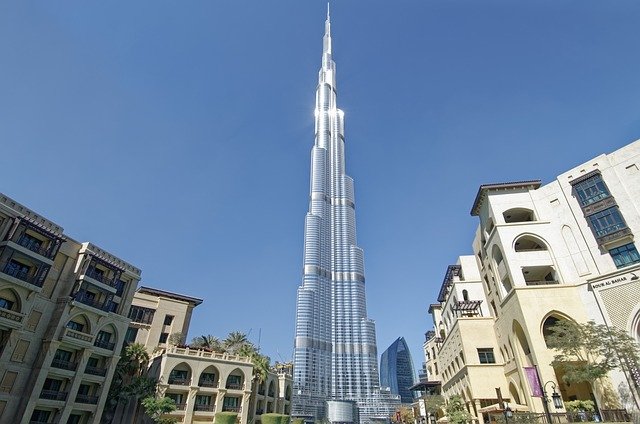



Visit Burj Khalifa
Take the world’s fastest elevator up to the 124th or 148th floor of the tallest building on Earth.



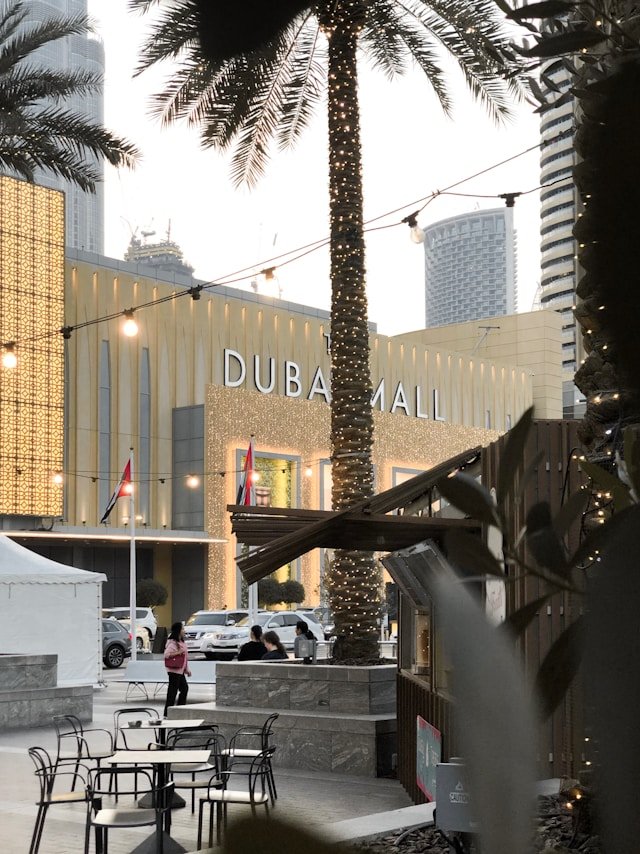
The Dubai Mall
Things to do in Dubai Mall
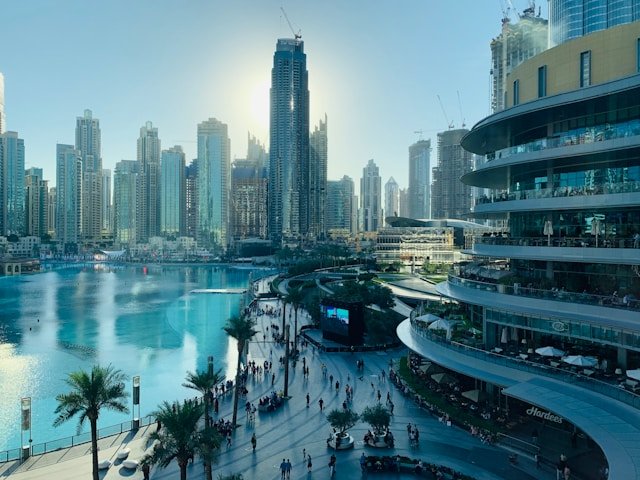
Discover the best things to do in Dubai Mall, one of the world’s largest shopping and entertainment destinations. Beyond luxury shopping, visitors can explore the famous Dubai Aquarium & Underwater Zoo, glide across the Olympic-sized Dubai Ice Rink, or enjoy family fun at KidZania. For adventure seekers, VR Park offers immersive experiences, while the Dubai Fountain show outside provides a magical spectacle. Dining options range from casual cafés to fine dining with Burj Khalifa views. Whether for shopping, attractions, or entertainment, Dubai Mall is a must-visit spot offering unforgettable experiences for tourists and families alike.

1200+
Various shops
100M+
Visitors per year
200+
Dining outlets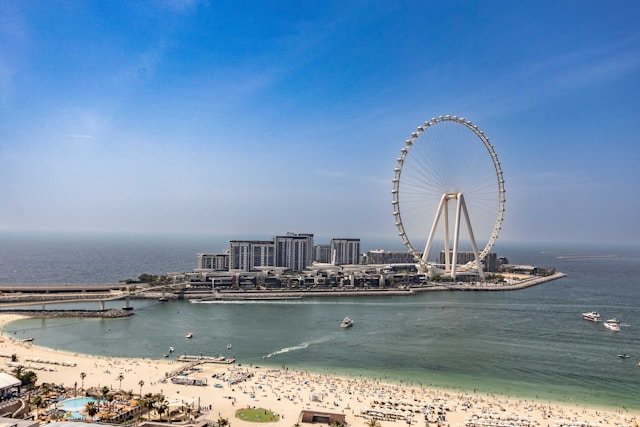

Free places
Places to visit in Dubai for free
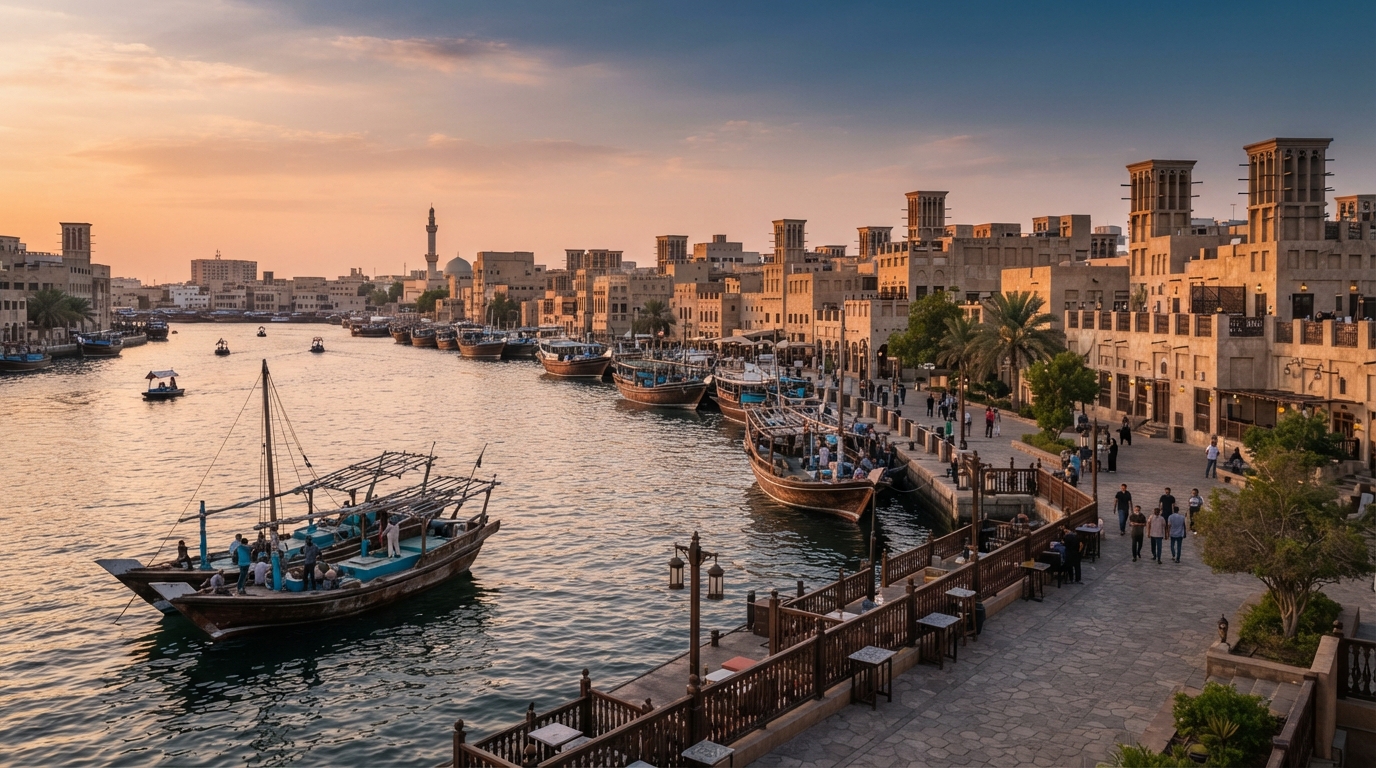
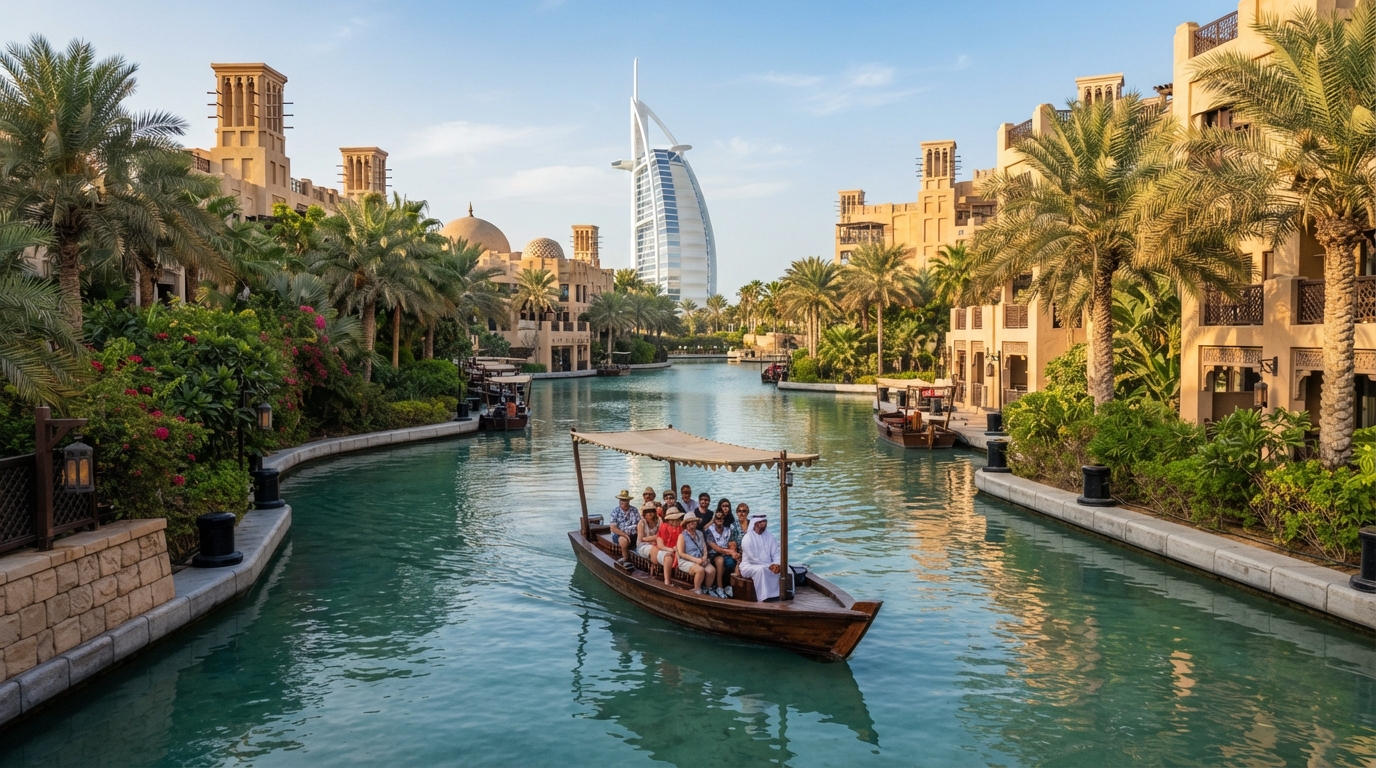
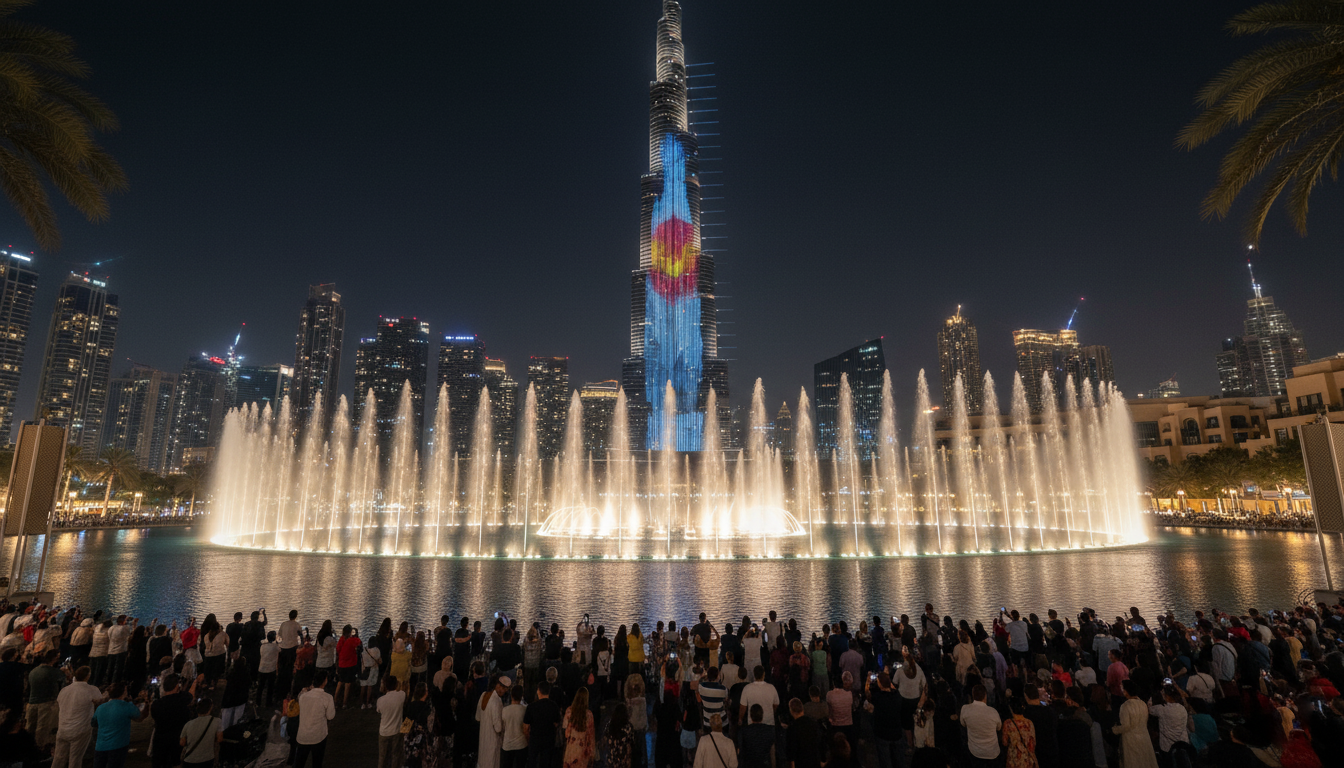
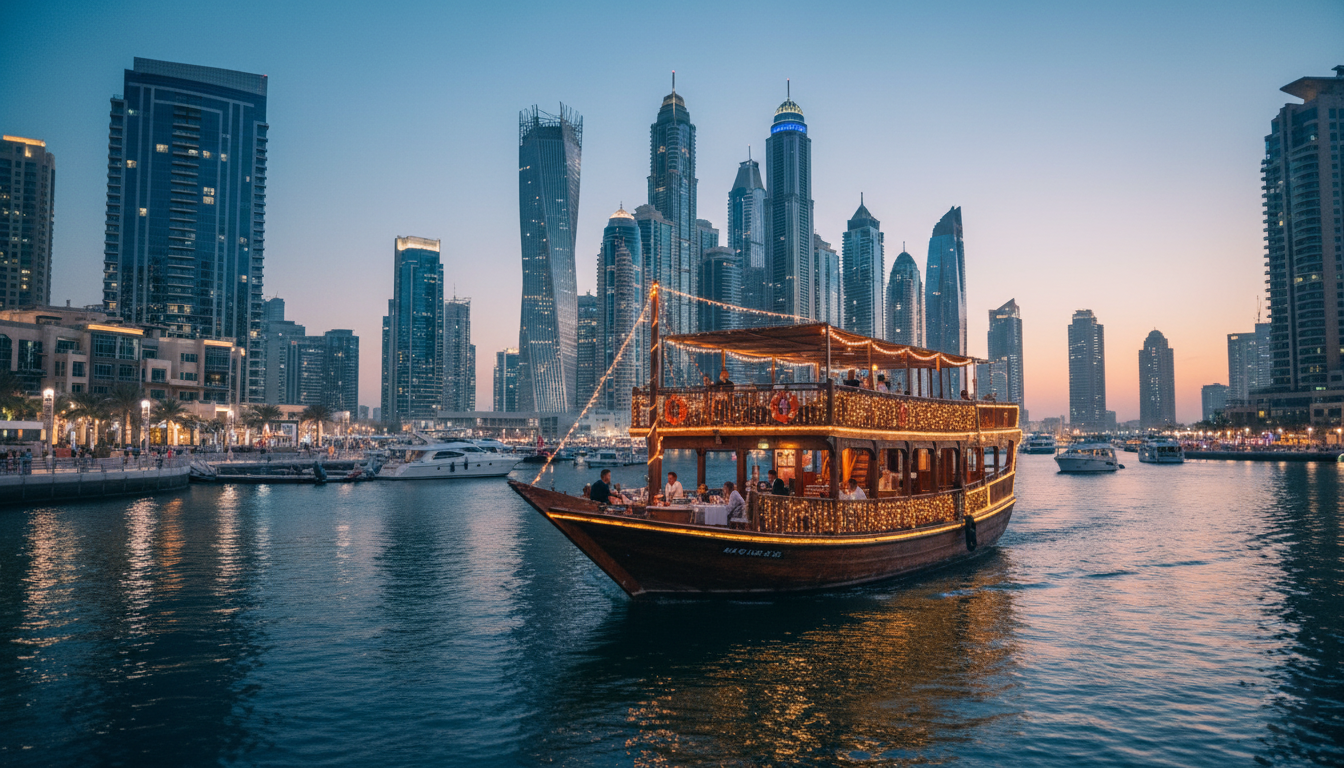
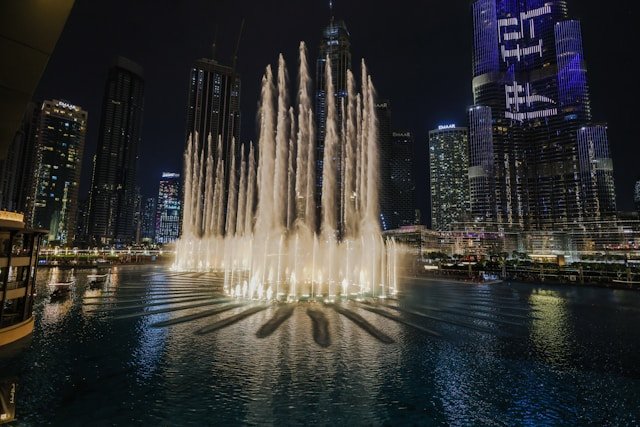
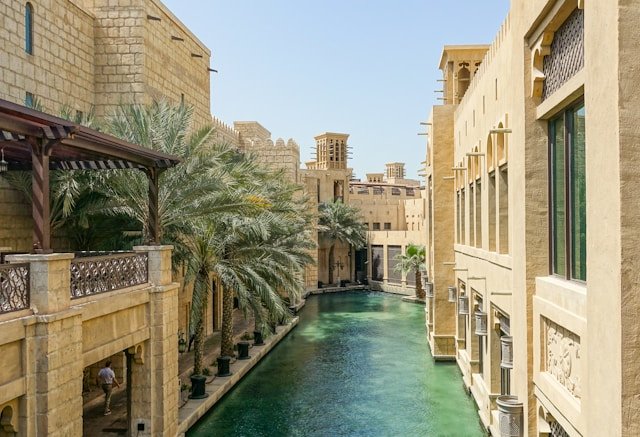
There are many amazing places to visit in Dubai for free. Start with the Dubai Fountain Show, a spectacular display of water, light, and music near the Burj Khalifa. Walk around Dubai Marina to enjoy the skyline and yachts. Visit Jumeirah Beach for sun and sea views of the Burj Al Arab. Explore the Al Fahidi Historical District to see old-style Emirati architecture. Stroll through La Mer or City Walk for trendy vibes and street art. Don’t miss Souk Madinat Jumeirah for a taste of tradition. These free attractions prove that you can experience Dubai’s beauty without spending a fortune.
Frequently Asked Questions
Dubai's indoor scene is genuinely one of its best-kept secrets. When the heat peaks between June and September, the city doesn't slow down — it simply moves inside, and what's waiting there is far more impressive than most visitors expect.
At the top of the list, Ski Dubai at Mall of the Emirates remains a must-do: a full-scale ski slope, snowboard park, and penguin encounters, all tucked inside a shopping mall. For adrenaline seekers, iFly Dubai offers indoor skydiving in a vertical wind tunnel, while Dubai Kartdrome delivers proper lap racing in a climate-controlled circuit.
Culture lovers should head straight to Alserkal Avenue, a thriving arts district in Al Quoz packed with contemporary galleries, independent cinemas, and design spaces — most of them free to enter. The Jameel Arts Centre is equally worth an afternoon.
Families tend to gravitate toward the Dubai Aquarium & Underwater Zoo, home to a 10-million-litre tank and shark dive experiences, or VR Park for immersive virtual reality across 30+ attractions.
Rounding it out, Dubai's escape rooms punch well above average in terms of production quality, and a growing number of Emirati cooking workshops give visitors something genuinely memorable to take home beyond photos.
In short, a rainy day in Dubai doesn't exist — but a packed indoor itinerary absolutely does.
That depends on where you're standing — and in Dubai, the answer is almost always "more than you think."
If you're based downtown or near Business Bay, you're already within walking distance of the Burj Khalifa, Dubai Fountain, and Dubai Mall, which together form one of the most concentrated clusters of iconic attractions on the planet. The Dubai Opera is steps away for those after something more cultural, and a short drive takes you to the historic Al Fahidi neighbourhood, where wind-tower architecture and small museums tell the story of the city before the skyline existed.
Over on the Palm Jumeirah side, Atlantis Aquaventure, Nakheel Mall, and the recently opened The View at The Palm compete for your attention, while the beachfront strip running from JBR to Dubai Marina stacks restaurants, watersports operators, and open-air entertainment into a single walkable stretch.
For visitors staying further out — in Deira, Bur Dubai, or Al Quoz — the options shift toward gold and spice souks, the Dubai Frame, and Alserkal Avenue's arts district, all of which are seriously underrated compared to how much foot traffic the downtown area gets.
The honest answer is that Dubai is built for accessibility. Most major attractions sit within a 20 to 30-minute drive of each other, taxis and the Metro are both reliable, and very few things here require a full day of travel to reach.
Absolutely — and it takes less time to get there than most people expect.
Sharjah sits directly northeast of Dubai, sharing a border that makes it one of the easiest day trips in the UAE. The drive from central Dubai rarely exceeds 30 minutes outside of rush hour, and the contrast you get on arrival is striking. Where Dubai leads with spectacle, Sharjah leads with substance — it holds the title of UNESCO Cultural Capital of the Arab World, and the city takes that seriously.
The Sharjah Museum of Islamic Civilization is the standout, housing over 5,000 artefacts spread across eight galleries that trace the history of Islamic art, science, and astronomy in a way that genuinely holds your attention. Nearby, the Sharjah Art Museum and the Heart of Sharjah heritage district — a meticulous restoration of the city's original urban core — fill out a morning effortlessly.
Families with younger children tend to head straight for Sharjah Aquarium and the adjacent Maritime Museum along the Al Khan Lagoon, a quieter and noticeably less crowded alternative to Dubai's bigger attractions. Al Noor Island is another local favourite: a landscaped art island on Khalid Lagoon with a butterfly house, light installations, and waterfront walking paths that feel worlds away from the city around it.
One practical note worth knowing — Sharjah operates under stricter regulations than Dubai, so alcohol is not available and dress codes in cultural areas are taken seriously. Come prepared, and you'll find one of the most rewarding and undervisited destinations the Emirates has to offer.
Dubai has a way of exceeding expectations even for people who think they already know what to expect.
The Burj Khalifa remains the undisputed starting point — not just because it's the tallest building in the world, but because the view from the 124th or 148th floor genuinely reframes how you understand the city's scale. Book tickets in advance, go at sunset, and stay long enough to watch the Dubai Fountain show begin below you as the lights come on across the skyline.
From there, Old Dubai deserves far more time than most itineraries give it. The Al Fahidi Historic District, the Gold Souk, the Spice Souk, and the traditional abra crossing across Dubai Creek form a half-day that feels completely removed from the city's modern image — and that contrast is exactly what makes it so worthwhile.
On the contemporary side, the Palm Jumeirah and Dubai Marina define the city's ambition better than any postcard could. Atlantis Aquaventure draws both families and thrill-seekers, the Dubai Marina Walk is one of the most pleasant waterfront stretches in the region, and Ain Dubai — the world's largest observation wheel — delivers panoramic views that rival the Burj from a completely different angle.
For something more unexpected, the Dubai Frame in Zabeel Park is consistently one of the most underrated attractions in the city: a 150-metre picture frame straddling old and new Dubai, with a glass-floored sky bridge connecting both towers at the top.
The reality is that Dubai rewards visitors who look beyond the obvious. The headline attractions are world-class, but the city's real depth shows up in its neighbourhood restaurants, its gallery districts, and the quieter corners that don't make it onto the highlight reels.
Most people walk into Dubai Mall expecting a shopping centre and leave having experienced something closer to a small city.
At 502,000 square metres, it holds the title of the world's largest mall by total area — but the retail is almost secondary to everything else happening inside. The Dubai Aquarium & Underwater Zoo is the first thing that stops most visitors in their tracks: a 10-million-litre tank suspended in the middle of the ground floor, visible from three levels, and home to over 33,000 aquatic animals. You can walk through a 48-metre underwater tunnel, book a cage snorkelling session, or go further with a full shark dive if you're a certified diver.
VR Park occupies its own dedicated level and offers over 30 virtual reality and augmented reality experiences — everything from BASE jumping simulations to multiplayer arcade-style games. It's well-suited to groups and genuinely impressive in terms of production quality.
Ice skating at Dubai Ice Rink draws both serious skaters and complete beginners, with public sessions running throughout the day and lessons available for those who need a little encouragement before stepping onto the ice. KidZania, the interactive city built entirely to child scale, keeps younger visitors occupied for hours with role-play experiences across 80 different professions.
Then there's the Dubai Fountain — technically outside, but best viewed from the mall's waterfront terrace. Shows run every 30 minutes from early evening, set to music, and the scale of it never quite gets old no matter how many times you've seen it.
Practically speaking, plan at least half a day if you want to move through the highlights without rushing. The mall has its own Metro station, valet parking across multiple entrances, and enough dining options to handle any meal of the day without repeating yourself.
Few day trips in the region deliver as much variety in as little time — and Abu Dhabi consistently surprises visitors who make the effort.
The capital sits roughly 140 kilometres southwest of Dubai, which translates to about 90 minutes by car along one of the most straightforward drives in the UAE. No border crossings, no paperwork — just open highway, and a city that feels noticeably different in pace and character from the moment you arrive.
Sheikh Zayed Grand Mosque is the non-negotiable first stop. One of the largest mosques in the world, it accommodates over 40,000 worshippers and is open to non-Muslim visitors outside of prayer times. The white marble exterior, the hand-knotted Persian carpet covering the main prayer hall, and the sheer architectural precision of the place make it genuinely one of the most impressive buildings in the entire Middle East. Modest dress is required, abayas are provided at the entrance for those who need them, and guided tours are available free of charge.
From there, Louvre Abu Dhabi on Saadiyat Island has firmly established itself as a world-class cultural institution since opening in 2017. The building alone — a vast perforated dome designed by Jean Nouvel that filters light like a palm canopy — is worth the visit before you even look at a single exhibit. The permanent collection traces human civilisation across cultures and centuries in a way that feels cohesive rather than overwhelming.
For a sharper adrenaline hit, Yas Island delivers Ferrari World, home to Formula Rossa — the fastest roller coaster on earth — alongside Warner Bros. World and Yas Waterworld, all within walking distance of each other. It's one of the most densely packed theme park destinations anywhere in the world.
Rounding out the picture, the Qasr Al Watan presidential palace opened its doors to the public in 2019 and remains one of the most undervisited attractions in the UAE — an extraordinary display of Arabian architecture, craftsmanship, and cultural heritage that most tourists haven't discovered yet.
Dubai has built its reputation on doing everything at scale — and when it comes to fun, the city doesn't make exceptions.
Thrill-seekers are spoiled from the start. Skydive Dubai over the Palm Jumeirah offers one of the most dramatic tandem jump backdrops on earth, while indoor skydiving at iFly and the record-breaking roller coasters at IMG Worlds of Adventure keep the adrenaline accessible for those who prefer their feet closer to the ground.
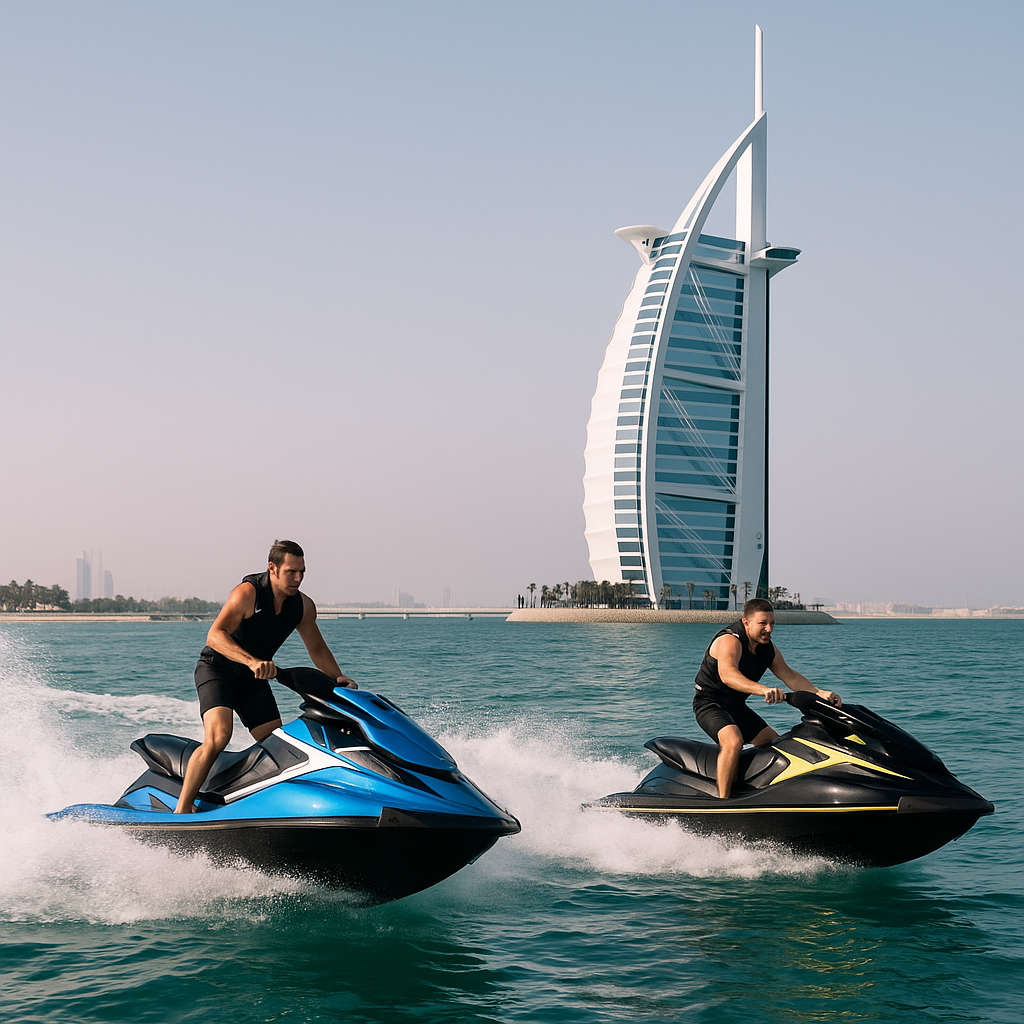
On the water, jet skiing along Dubai Marina, parasailing above JBR Beach, and sunset dhow cruises across Dubai Creek cover the full spectrum from high-energy to genuinely relaxed. The contrast between the two is part of what makes a day on the water here so satisfying.
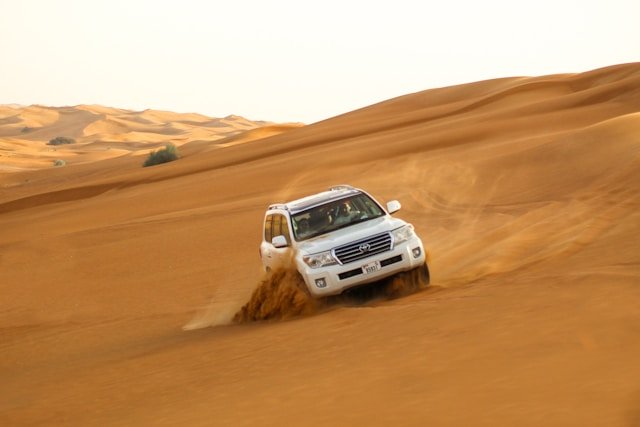
For groups after something more social, Dubai's escape rooms consistently rank among the best in the region, the desert safari experience — dune bashing, camel riding, and a traditional Bedouin dinner under the stars — remains a firm favourite for a reason, and the rooftop bar scene offers some of the most cinematic sundowner views imaginable.
The city rewards spontaneity as much as planning. Half the fun of Dubai is simply saying yes to things you wouldn't normally try.
Dubai has quietly built one of the most impressive collections of indoor attractions in the world — partly out of necessity given the summer heat, and partly because the city simply can't help going big on everything it does.
The Dubai Aquarium & Underwater Zoo inside Dubai Mall remains a genuine showstopper, with a 10-million-litre tank and shark dive experiences that stick with visitors long after they've left. Ski Dubai at Mall of the Emirates delivers the unlikely thrill of fresh powder and ski runs in the middle of the desert, while IMG Worlds of Adventure — one of the largest indoor theme parks on earth — packs Marvel, Cartoon Network, and dinosaur-themed zones under a single roof.
For something more culturally rooted, the Museum of the Future on Sheikh Zayed Road is as much an architectural experience as an exhibition, and Alserkal Avenue's gallery district in Al Quoz offers a creative, unhurried alternative to the city's bigger spectacles.
Families tend to gravitate toward KidZania and VR Park, both inside Dubai Mall, while couples and groups often end up at one of the city's high-production escape rooms or an Emirati cooking class for something more hands-on.
Whatever the weather, Dubai always has a plan B — and it's usually better than expected.
Weekends in Dubai move at a different pace — the city leans into it, and the options reflect that.
Friday morning is the local sweet spot for outdoor activities before the afternoon heat sets in. A sunrise kayak along Dubai Creek, a morning surf session at Surf House Dubai, or an early visit to the Miracle Garden before the crowds arrive all make for a strong start to the weekend with minimal effort.
By Friday afternoon, the focus shifts indoors. Dubai Mall, Mall of the Emirates, and City Walk fill up with residents and visitors alike, but the aquarium, ice rink, and VR experiences inside Dubai Mall absorb the foot traffic well enough that queues rarely become a serious issue outside of school holidays.
Saturday tends to be the bigger night out. Desert safari operators run evening departures that combine dune bashing with a traditional Bedouin camp dinner — one of the most consistently well-reviewed experiences in the city. For something more urban, the Dubai Marina waterfront and JBR Walk come alive after sunset with street performers, outdoor dining, and the kind of relaxed energy that makes it easy to lose a few hours without noticing.
Dubai doesn't really do quiet weekends — but it does do good ones reliably.
Ras Al Khaimah has been quietly stealing the spotlight from its more famous neighbours — and travellers who make the trip north tend to come back wondering why they waited so long.
The emirate sits roughly 100 kilometres from Dubai, an easy 60 to 75-minute drive that deposits you into a landscape that looks nothing like anywhere else in the UAE. Where Dubai offers skyline and spectacle, RAK delivers mountains, ancient forts, and a coastline that remains genuinely uncrowded by regional standards.
Jebel Jais is the headline act. At 1,934 metres, it's the highest peak in the UAE and home to the world's longest zipline — a 2.83-kilometre ride that crosses mountain ridges at speeds reaching 150 km/h. The Jais Sky Tour, Jais Flight, and hiking trails across the summit give the mountain enough variety to fill an entire day comfortably.
Down at sea level, the Dhayah Fort perched on its rocky outcrop offers one of the most dramatic historical viewpoints in the country, while Al Marjan Island's expanding resort strip has turned RAK into a legitimate weekend beach destination in its own right.
For visitors after something off the standard UAE itinerary, Ras Al Khaimah consistently delivers.
Dubai operates on a scale that makes it genuinely difficult to leave feeling like you've seen everything — but a handful of experiences consistently rise to the top regardless of who you ask.
The Burj Khalifa at sunset is the starting point most visitors return to first when recommending the city to others. The observation deck view at 124 floors is one thing; watching the Dubai Fountain ignite below you as the skyline transitions from gold to neon is another entirely. Book in advance, arrive early, and stay late.
A desert safari ranks just as highly for a different reason — it's where Dubai strips back the luxury veneer and connects visitors to the landscape that existed long before the towers went up. Dune bashing, camel riding, and an open-air Bedouin dinner under a genuinely dark sky make for an evening that lands differently than anything else in the city.
From there, Old Dubai — the Creek, the souks, the Al Fahidi district — rewards slow exploration, while the Palm Jumeirah, Dubai Marina, and Alserkal Avenue each offer their own distinct version of what this city has become.
The best Dubai itinerary balances the iconic with the unexpected. The city has enough of both to keep any traveller genuinely busy.
Very few cities in the world have managed to build a tourism offer this complete, this fast — and that ambition is precisely what draws over 17 million international visitors to Dubai every year.
The city covers an unusually wide range of traveller profiles without feeling stretched. Families find world-class theme parks, aquariums, and beach resorts. Adventure seekers get desert safaris, mountain ziplines, and skydiving above the Palm. Culture travellers have the Al Fahidi district, the Louvre Abu Dhabi day trip, and a contemporary art scene that has grown far beyond what its young age might suggest. Luxury travellers, meanwhile, find a concentration of seven-star hotels, Michelin-starred restaurants, and private yacht charters that rivals the French Riviera.
What consistently surprises first-time visitors is the practicality behind the spectacle. Dubai is safe, clean, extremely well-connected, and logistically straightforward to navigate. The Metro reaches most major attractions, taxis are affordable by international standards, and English is spoken almost universally across the hospitality and tourism sectors.
Add year-round sunshine outside of the peak summer months, a tax-free shopping environment, and a calendar packed with international events — from tennis and golf to fashion weeks and culinary festivals — and the appeal becomes self-explanatory.
Dubai doesn't just attract tourists. It converts them into repeat visitors.
Dubai has a reputation for extravagance that can make it feel like every experience comes with a price tag attached. It doesn't — and some of the city's most memorable moments cost absolutely nothing.
The Dubai Fountain show is the obvious starting point. Running every 30 minutes from 6pm along the Burj Khalifa Lake, it's one of the most spectacular free performances in the world and consistently draws crowds who have seen it multiple times before. The waterfront terrace at Dubai Mall offers the best vantage point, and the whole thing is over in five minutes — which somehow makes you want to stay for the next one.
Al Fahidi Historic District charges no entry fee and delivers a genuine sense of what Dubai looked like before the skyline arrived. The narrow wind-tower alleyways, the small independent museums, and the traditional courtyard architecture make it one of the most photogenic and culturally rich corners of the city.
JBR Beach and Kite Beach are both free to access, consistently well-maintained, and backed by enough free street entertainment, outdoor gyms, and casual dining options to fill a full afternoon. Alserkal Avenue's galleries are largely free to enter, and the Dubai Frame exterior and surrounding Zabeel Park make for an easy, unhurried evening walk.
Dubai rewards budget-conscious travellers more than its image suggests.
Dubai's tourist attractions span such a wide range that first-time visitors often struggle to know where to begin. The short answer is to start iconic, then go deeper.
The Burj Khalifa anchors most itineraries for good reason — nothing else in the city orients you quite like seeing it from the top. Pair it with the Dubai Fountain and Dubai Mall in the same afternoon and you've covered one of the most densely rewarding tourist clusters anywhere in the Middle East.
Old Dubai runs the opposite direction and rewards it. The Al Fahidi Historic District, the abra crossing over Dubai Creek, and the Gold and Spice Souks form a half-day that feels genuinely removed from the city's modern identity — and that contrast is what makes Dubai such an interesting destination rather than simply an impressive one.
The Palm Jumeirah, Dubai Frame, and Museum of the Future each represent different chapters of the city's story, while desert safari operators just outside the city limits deliver the kind of evening — dune bashing, Bedouin camps, star-filled skies — that no urban attraction can replicate.
What sets Dubai's tourist attractions apart is the sheer variety compressed into a relatively compact geography. Most major sites sit within 30 minutes of each other, which means a well-planned four-day visit can cover more ground than most cities offer in a week.
One of Dubai's most underrated qualities is how well it handles spontaneity. No advance planning, no fixed itinerary — the city still delivers.
If the morning is free, head to Kite Beach or JBR before noon. Both are walkable, free to access, and backed by good coffee spots and casual breakfast options that make for an easy, unhurried start. The water is warm, the promenade is well-maintained, and the views of the Dubai Marina skyline give the whole thing a backdrop that never really gets old.
For something more structured mid-morning, the Dubai Aquarium, Museum of the Future, or a last-minute desert safari booking can all be arranged on the day without much friction. Most major operators keep same-day availability outside of peak school holiday periods, and the desert is never more than 45 minutes from the city centre.
As the afternoon heat builds, Dubai Mall, Mall of the Emirates, and City Walk absorb visitors effortlessly — skating, cinema, aquarium, dining, and retail all under one roof if the mood calls for it.
Come evening, the Dubai Fountain show, a dhow cruise along the Creek, or a rooftop sundowner in the Marina round off the day in a way that very few cities in the world can match on zero notice.
Hatta sits about 130 kilometres east of Dubai — close enough for a comfortable day trip, different enough to feel like a completely separate country.
The enclave is tucked into the Hajar Mountains and managed as an eco-tourism destination under the Dubai government, which means the infrastructure is excellent without the landscape feeling overdeveloped. The drive alone, once you clear the city outskirts and the terrain starts rising and folding around you, is worth the journey.
Hatta Dam is the visual centrepiece — a wide, still reservoir framed by jagged mountain ridges that turns a shade of deep turquoise in the right light. Kayaking and paddleboarding on the dam are both well-organised and genuinely peaceful, a complete contrast to anything you'd find along the Dubai coastline.
The Hatta Mountain Bike Trail Centre has built a serious reputation among regional cyclists, with trails graded across all ability levels covering over 100 kilometres of mountain terrain. Zip-lining, archery, and mountain karting add further variety for those who want something more structured than a hike.
The Hatta Heritage Village, a restored settlement at the foot of the mountains, fills in the cultural side of the visit with traditional Emirati architecture, old watchtowers, and a small but well-curated museum.
For Dubai visitors after something raw, quiet, and genuinely scenic, Hatta consistently delivers.
Dubai is one of those rare destinations that genuinely works for the entire family — not just in theory, but in practice, across a wide range of ages and energy levels.
IMG Worlds of Adventure is the natural starting point for families with older children. One of the largest indoor theme parks on earth, it packs Marvel superheroes, Cartoon Network characters, and a full dinosaur zone under a single climate-controlled roof, with enough rides and live entertainment to fill a serious full day.
KidZania inside Dubai Mall takes a completely different approach — a miniature city built entirely to child scale where kids take on real professional roles, earn their own currency, and essentially run their own afternoon. It's one of those experiences that parents end up finding more entertaining than they expected.
The Dubai Aquarium, Ski Dubai, and Legoland Dubai Resort each cover different ages and interests without much overlap, which makes combining two or three across a long weekend entirely practical.
For outdoor days, Kite Beach has a dedicated children's play area, calm shallow waters, and enough space to actually breathe. The Dubai Miracle Garden, open seasonally, consistently ranks among the most photographed family outings in the city for good reason — five million flowers arranged across 72,000 square metres tends to land well with younger visitors.
Dubai makes family travel feel effortless, which is no small achievement.
The UAE is seven emirates packed into a geography smaller than Portugal — and the tourist attractions spread across it cover more variety than most visitors ever get around to discovering.
Dubai handles the spectacle: the Burj Khalifa, the Palm Jumeirah, the desert safari circuit, and a waterfront dining and nightlife scene that runs until the early hours. But stopping there means missing most of what makes the country genuinely interesting.
Abu Dhabi, just 90 minutes southwest, counters with cultural depth. Sheikh Zayed Grand Mosque, the Louvre Abu Dhabi, and the theme park cluster on Yas Island — Ferrari World, Warner Bros. World, Yas Waterworld — make it a destination capable of filling two to three days on its own terms.
Sharjah adds a UNESCO-recognised arts and heritage dimension, with its Islamic Civilization Museum, restored old town, and Al Noor Island sitting in sharp, deliberate contrast to the commercial energy of its neighbours.
Ras Al Khaimah brings the mountains — Jebel Jais, the world's longest zipline, and a coastline that remains refreshingly uncrowded. Fujairah faces the Indian Ocean rather than the Gulf, which gives it a completely different character, outstanding dive sites, and ancient forts that predate the modern UAE by centuries.
Taken together, the UAE's tourist attractions reward travellers who treat the country as a region rather than a single destination.
Dubai is one of those cities where the highlights genuinely match the reputation — and the list of top experiences covers enough ground to satisfy wildly different types of travellers.
The Burj Khalifa observation deck remains the undisputed centrepiece of any first visit. The view at sunset, combined with the Dubai Fountain show directly below, delivers the kind of moment that justifies the trip on its own. Book the upper platform at level 148 if the budget allows — the difference in perspective is significant.
A desert safari consistently earns its place near the top for a different reason entirely. Dune bashing across the red sands, a camel ride at golden hour, and a traditional Bedouin dinner under an open sky offer a version of the UAE that the city's skyline never quite conveys on its own.
From there, the list spreads naturally — Ski Dubai for the sheer absurdity of skiing in the desert, Old Dubai and the Creek for cultural grounding, the Museum of the Future for architectural ambition, and the Palm Jumeirah for the kind of waterfront scale that still impresses even after you've seen it in every travel magazine.
What makes Dubai's top experiences genuinely earn their ranking is consistency. The execution across the board is exceptionally high, and very few headline attractions disappoint when you actually show up.
Muscat doesn't get the international attention it deserves — and for travellers already in the region, that's quietly one of its biggest selling points.
Oman's capital sits just over an hour from Dubai by air, making it one of the most accessible and underutilised add-ons to a UAE itinerary. The city operates at a slower, more considered pace than its Gulf neighbours, and that shift in rhythm is precisely what makes it so appealing after a few days of Dubai's intensity.
Sultan Qaboos Grand Mosque is the essential first stop — a masterpiece of Islamic architecture that rivals Sheikh Zayed in Abu Dhabi for sheer scale and craftsmanship, yet draws a fraction of the visitor numbers. The main prayer hall chandelier alone, one of the largest in the world, is worth the early morning visit required to beat the heat.
The Mutrah Souq along the Corniche remains one of the most atmospheric traditional markets in the entire Arabian Peninsula — frankly more genuine in character than anything comparable in the UAE. Frankincense, silverware, and Omani textiles fill a labyrinth of covered alleyways that reward slow, aimless exploration.
Muscat's coastline, the Al Jalali and Al Mirani forts framing the old harbour, and day trips toward Wahiba Sands or the fjords of Musandam round out a destination that consistently surprises visitors expecting a lesser version of Dubai and finding something far more its own.
Al Ain sits roughly 150 kilometres from Dubai and about 90 minutes from Abu Dhabi — close enough for a long day trip, substantial enough to justify an overnight stay. Known as the Garden City for its unusually green landscape and ancient falaj irrigation systems, it holds UNESCO World Heritage status and carries a cultural weight that few places in the UAE can match.
Al Ain Oasis is the natural starting point — a vast, shaded network of date palm plantations threaded with traditional irrigation channels that have been functioning continuously for thousands of years. Walking through it on a warm afternoon, with the light filtering through the palms and the city noise falling away, is one of the most genuinely peaceful experiences available anywhere in the Emirates.
Al Jahili Fort, one of the largest in the UAE, anchors the city's historic centre and houses a permanent exhibition on the legendary British explorer Wilfred Thesiger and his crossings of the Empty Quarter. Jebel Hafeet, the dramatic limestone mountain rising sharply on the city's southern edge, offers a winding summit road with panoramic views across the UAE and Oman border landscape that rivals anything in Hatta or RAK.
Al Ain Zoo, consistently rated among the best in the region, and the recently expanded Al Ain Palace Museum round out a destination that rewards travellers seeking history, nature, and authenticity over spectacle.
Salalah is Oman's second city and one of the most quietly extraordinary destinations in the entire region — a place where the Arabian Peninsula briefly turns green, misty, and almost unrecognisable during the summer monsoon season.
The Khareef, as the seasonal monsoon is locally known, runs from June through September and transforms the landscape around Salalah into something that looks far closer to the Scottish Highlands than the Middle East. Waterfalls emerge from clifftops, the hills go lush and green overnight, and the coastal roads become some of the most scenic drives in Oman. For UAE residents fleeing the summer heat, it has become an annual pilgrimage.
Wadi Darbat is the showpiece — a wide, dramatic valley where a seasonal waterfall drops into a turquoise lake surrounded by grazing camels and cattle, a scene so incongruous with the surrounding desert that first-time visitors regularly question whether they've taken a wrong turn somewhere.
The ancient frankincense trade routes that once made this region extraordinarily wealthy are well-preserved and UNESCO-listed. Al Baleed Archaeological Park, the Sumhuram ruins near Khor Rouri, and the frankincense trees of Wadi Dawkah collectively tell a story of civilisation that stretches back over 5,000 years.
Mughsail Beach, with its blowhole coastline and dramatic sea cliffs, and the souks of central Salalah — stacked with raw frankincense resin, Omani honey, and handwoven textiles — complete a destination that operates entirely on its own terms.
Umm Al Quwain rarely makes the highlight reels — and that is precisely what makes it worth the visit.
The smallest and least populated of the UAE's seven emirates sits about 60 kilometres north of Dubai, a straightforward hour's drive that deposits you into a pace of life that feels genuinely unhurried by regional standards. No mega-malls, no record-breaking towers — just mangroves, flamingos, ancient ruins, and a coastline that the rest of the country hasn't caught up with yet.
Dreamland Aqua Park is the most visited attraction and one of the largest water parks in the UAE, offering a full day of slides, wave pools, and lazy river circuits at prices that consistently undercut everything comparable in Dubai. It draws families from across the northern emirates throughout the warmer months and handles the crowds without ever feeling overwhelmed.
The UAQ Marine Club offers kayaking and paddleboarding through mangrove channels where flamingos wade in the shallows — one of those experiences that surprises visitors expecting nothing more than a quiet drive north. Al Dour Archaeological Site, one of the most significant ancient settlements ever excavated in the UAE, adds a historical dimension that few tourists ever discover.
For UAE residents after an authentic, uncommercialised alternative to the usual weekend circuit, Umm Al Quwain consistently delivers something the bigger emirates simply cannot replicate.